
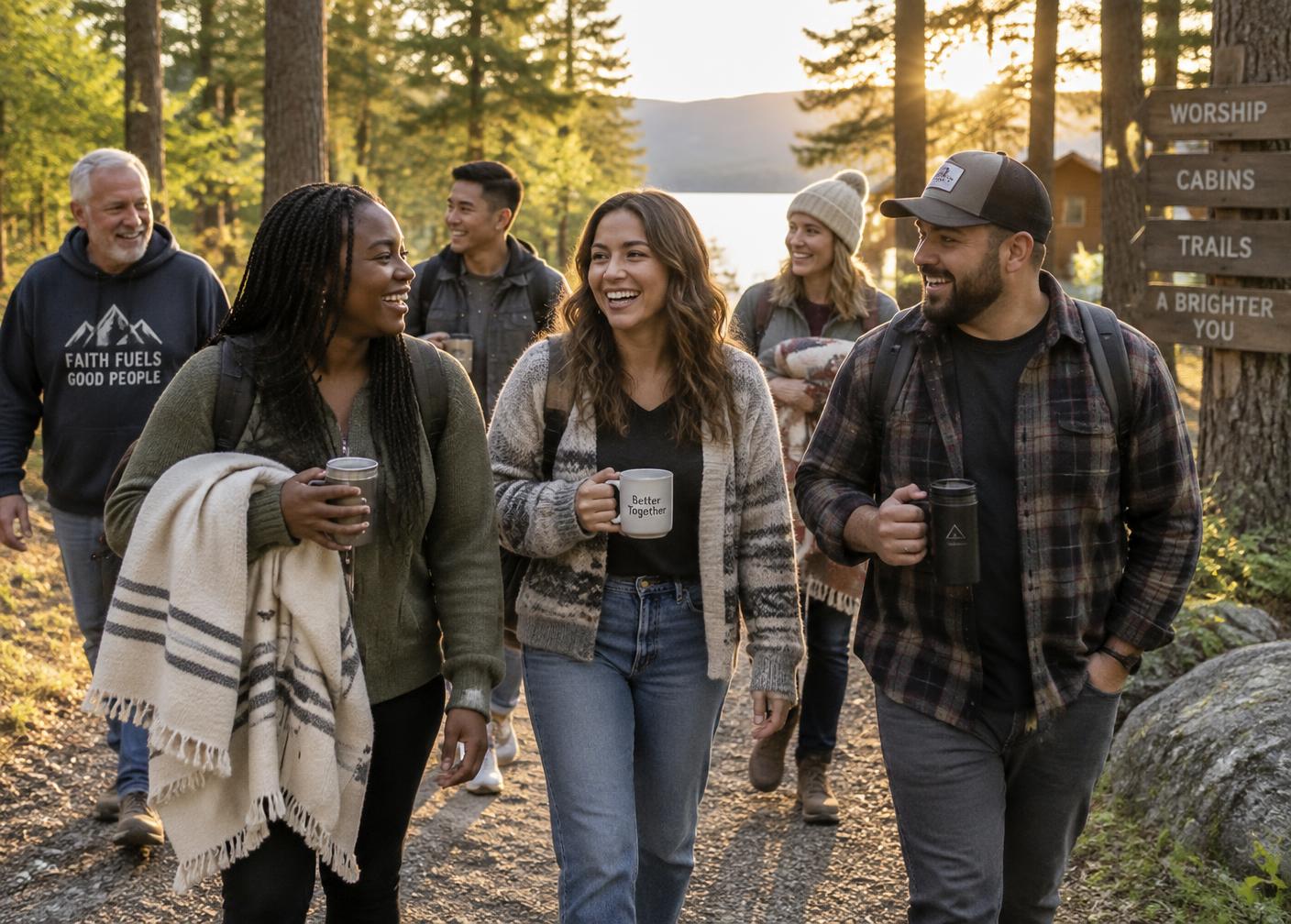
Choose participation over display
Mixers can make people feel that the real task is to scan the room and be scanned. Events built around a shared experience reduce that pressure. Cooking, discussion, art, service, worship, games and local exploration give conversation a natural beginning.
The activity should not become a disguised test. Avoid public pairing games, forced disclosure and exercises that reveal romantic interest without consent. People should be able to enjoy the evening even when no dating connection forms.
- A clear purpose beyond meeting a partner
- Small-group moments inside larger events
- Roles for different energy and mobility levels
- No public ranking, matching or elimination
Repeated events build stronger context
One evening may produce a good conversation, but recurring rhythms allow familiarity. A weekly table, monthly creative session or seasonal service project can move people from strangers to community.
Organizers should make follow-up truthful. If the next event is not confirmed, say so. Do not create false urgency, attendance or availability. Trust begins with accurate information before anyone arrives.
- Publish real dates and time zones clearly.
- Distinguish current events from planned concepts.
- Provide a clear next gathering when one exists.
- Never imply attendees or spaces that are not real.
Evaluate the event’s culture and safeguards
Read community guidelines and understand reporting options. Ask how organizers handle unwanted contact, photography, alcohol, transportation and accessibility. No event can guarantee safety, but responsible planning can reduce avoidable risk.
Identity or membership checks have limits. They can confirm defined requirements; they cannot prove character. Continue using your own judgment, tell someone your plans and control personal information.
- Visible conduct expectations
- A named way to seek help during the event
- Consent before photography or sharing contact details
- Accessible venue or technology information
Online events can still be experiences
A virtual event should offer more than a long presentation. Look for conversation, choices, smaller rooms, creative participation or a shared response. Clear facilitation helps quieter people enter without being forced.
Time zones, camera expectations and privacy should be stated. Participants should know whether sessions are recorded and how names appear. Online access can help parents, carers and geographically isolated adults participate, but it still needs thoughtful boundaries.
- Local-time display and clear duration
- Camera and microphone expectations
- Moderation and reporting tools
- A genuine activity rather than fabricated live energy
Arrive with a humane goal
Instead of measuring the event by whether you received a number, choose a goal you can actually practice: speak with three people, help someone feel included, try the activity or return next time. This lowers performance pressure without denying romantic hope.
If you are interested in someone, use a respectful direct invitation. Do not treat event access as permission for repeated contact. Follow the organizer’s communication rules.
- Prepare one open question.
- Introduce yourself to someone outside your usual type.
- Take breaks when overstimulated.
- Leave without declaring the night a failure.
For organizers: build a path, not a spectacle
Design for welcome, participation and follow-through. Train hosts to notice exclusion without manufacturing chemistry. Provide short transitions, clear timings and enough structure that newcomers do not need an existing clique.
Evaluate what people could actually do and whether information was accurate. Do not request testimonials in vulnerable moments or promise romantic outcomes. A meaningful event can succeed by strengthening Community.
- Brief facilitators on consent and inclusion.
- Offer one clear action at a time.
- Collect only necessary personal data.
- Make cancellation, cost and accessibility terms visible.
Common questions
What should I wear to a Christian singles event?
Follow the stated setting and dress guidance. Choose something appropriate that lets you participate comfortably rather than trying to perform an imagined ideal.
Are online Christian singles events worthwhile?
They can be when they include real participation, repeated contact, clear facilitation and privacy practices—not only passive watching or a profile showcase.
Experience Everlasting Blooms
Step into weekly Community experiences
Everlasting Blooms presents Community as rooms and shared rhythms—conversation, worship, creativity, reflection and ordinary fun. Public rooms are clearly illustrative; member schedules and reservations use real availability.
Explore Community experiences